What is trading in Nifty, BankNifty and SENSEX options and how does live option buying work?
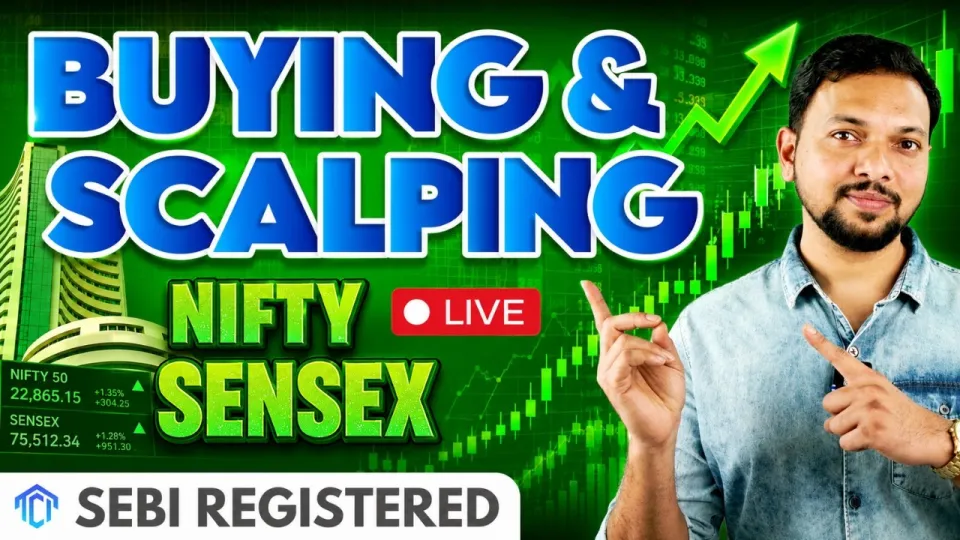
Video: LIVE TRADING Nifty BankNifty and SENSEX | Option Buying | 15 Oct #livetrading
Want articles like this for your own video to promote it on YouTube and Google? Order them through the Telegram bot @sat_sit_bot. It writes articles around your video, embeds the video and publishes them on popular niche websites (no ads). Your first 50 articles are free.
· based on the channel TRADING CAFE INDIA
Trading in Nifty, BankNifty and SENSEX options means buying call or put contracts on those indices to speculate on intraday price moves, with the maximum loss limited to the premium paid. A live option-buying session, such as the one streamed by TRADING CAFE INDIA on 15 Oct, demonstrates real-time entries, exits and risk controls on these three indices. For viewers who want to follow similar setups, the channel's SEBI-registered research calls are available through Lemonn registration.
What does trading in Nifty, BankNifty and SENSEX actually involve?
Trading these indices means taking a position on the direction of the Nifty 50, BankNifty or SENSEX without buying every stock in the index. The most direct way for retail traders is index options: a call option profits when the index rises, a put option profits when it falls. Each index has its own contract specifications and lot size, and options premiums move quickly during live market hours. The session from TRADING CAFE INDIA focuses on option buying, which is different from option selling because the buyer pays a premium upfront and cannot lose more than that amount.
How does live option buying work during market hours?
Live option buying works by watching index price action in real time and buying a call or put when a predefined setup appears. In practice, a trader typically follows these steps:
- Pick the index and expiry: Nifty, BankNifty or SENSEX options with a chosen strike and expiry date.
- Identify a trigger: a breakout, support bounce or momentum signal on the index chart.
- Buy the option: pay the premium through the broker terminal.
- Set a stop-loss: decide the maximum premium loss acceptable before entering.
- Exit on target or stop-loss: close the position when the plan says so, not on emotion.
A live stream adds transparency because entries and exits are shown as they happen, but it does not remove execution risk. Viewer comments from the 15 Oct session mention holding calls and taking losses such as 13k, which shows that even with live guidance, position sizing and discipline remain critical.
Why do traders watch live Nifty, BankNifty and SENSEX sessions?
Watching a live session helps traders see how a plan is applied when the market is moving, rather than only reading theory. The TRADING CAFE INDIA stream on 15 Oct covered all three indices and showed option-buying decisions in real time. Common reasons traders tune in include:
- Seeing how index levels are marked before entry.
- Observing how a stop-loss is enforced when the trade goes against the position.
- Learning how premium behaves when the index moves quickly.
- Hearing commentary on SENSEX levels, such as the 74,300 area mentioned by viewers.
Live sessions are educational, but they are not a guarantee of profit. The channel's disclaimer states that registration with SEBI does not assure returns, and that trading involves risk.
What risks and costs should an option buyer know?
Option buying caps the maximum loss at the premium paid, but the probability of losing that premium is real and can be high if the index does not move as expected. Key risks and costs include:
- Premium decay: options can lose value as expiry approaches, even if the index stays flat.
- Volatility: sharp index moves can make premiums jump, but reversals can be equally fast.
- Brokerage and charges: each trade incurs brokerage, exchange fees and taxes, which add up for frequent intraday buying.
- Position sizing: a single oversized trade can wipe out several small wins, as reflected in viewer reports of losses like 13k.
- Emotional holding: holding a losing call hoping for a recovery is a common mistake highlighted in viewer questions.
Traders should use stop-losses and only risk capital they can afford to lose.
How to approach a live trading call without copying blindly
A live call is a starting point for your own analysis, not a substitute for it. Before acting on any Nifty, BankNifty or SENSEX setup, check the index trend on a higher timeframe, confirm the option premium and implied volatility, and define your exit before entry. The TRADING CAFE INDIA session shows one trader's process; your position size, risk tolerance and broker costs are different. Viewer comments asking whether to hold a call or where the office is located show that many participants want more context, but the responsibility for each trade remains with the individual. Use the live stream to learn the method, then paper-trade or backtest it before committing real money.
What common questions come up after a live trading session?
After a live session, viewers often ask about holding positions, specific index targets and how to access the community. Typical questions include whether a call can be held overnight, what SENSEX level is next, and how to join a Telegram channel for updates. The answers depend on the trader's own plan and risk limits. For example, holding an option position overnight adds gap risk, and a target like 74,300 on SENSEX is a scenario, not a promise. The free Telegram channel from TRADING CAFE INDIA is one place where such updates are shared, but every trade decision should still be verified independently.
Useful links
- Lemonn SEBI-registered calls registration
- Nifty and SENSEX VIP setups
- Free Telegram channel
- XM broker deposit bonus and demo
- CoinSwitch Pro for crypto and gold calls
Final thoughts on trading Nifty, BankNifty and SENSEX options
Option buying on India's main indices offers defined risk but demands discipline, position sizing and a clear exit plan. The live session from TRADING CAFE INDIA on 15 Oct illustrates how quickly premiums move and why stop-losses matter, especially when viewers report losses like 13k. Use such streams to study process, not to copy trades blindly. If you want access to the channel's SEBI-registered research calls, you can register via Lemonn and review the risk disclosures before trading.
Key takeaways
- Nifty 50, BankNifty and SENSEX are India's most traded index options underlyings on NSE and BSE.
- Option buying means paying a premium for a call or put, with loss capped at that premium.
- Live trading sessions show real-time entries, exits and risk management on 15 Oct.
- SEBI registration INH000013767 belongs to TRADING CAFE INDIA as a research analyst.
- Viewer comments highlight common issues: holding calls, stop-losses and losses like 13k.
Questions & answers
Can I hold a Nifty or SENSEX option call overnight after a live session?
Yes, you can hold an option position overnight, but it adds gap risk because the index can open far from the previous close. Option premiums may also decay with time. Decide based on your plan and risk limit, not on a live call alone.
Is a SENSEX target like 74,300 a guaranteed level?
No, index targets mentioned in live sessions are scenarios, not guarantees. SENSEX can move differently due to news, global cues or volatility. Treat any level as a reference point and use stop-losses.
Why do option buyers still lose money even when following live trading?
Losses can happen from premium decay, sudden reversals, oversized positions or holding losers too long. Viewer reports of 13k losses show that execution and discipline matter as much as the entry call.
How do I get the VIP setups or free trades mentioned in the stream?
The channel shares a free Telegram link and a separate page for Nifty and SENSEX VIP setups. SEBI-registered calls are available through the Lemonn registration link. Always verify the source and read disclaimers before acting.
Source: LIVE TRADING Nifty BankNifty and SENSEX | Option Buying | 15 Oct #livetrading · Markdown version